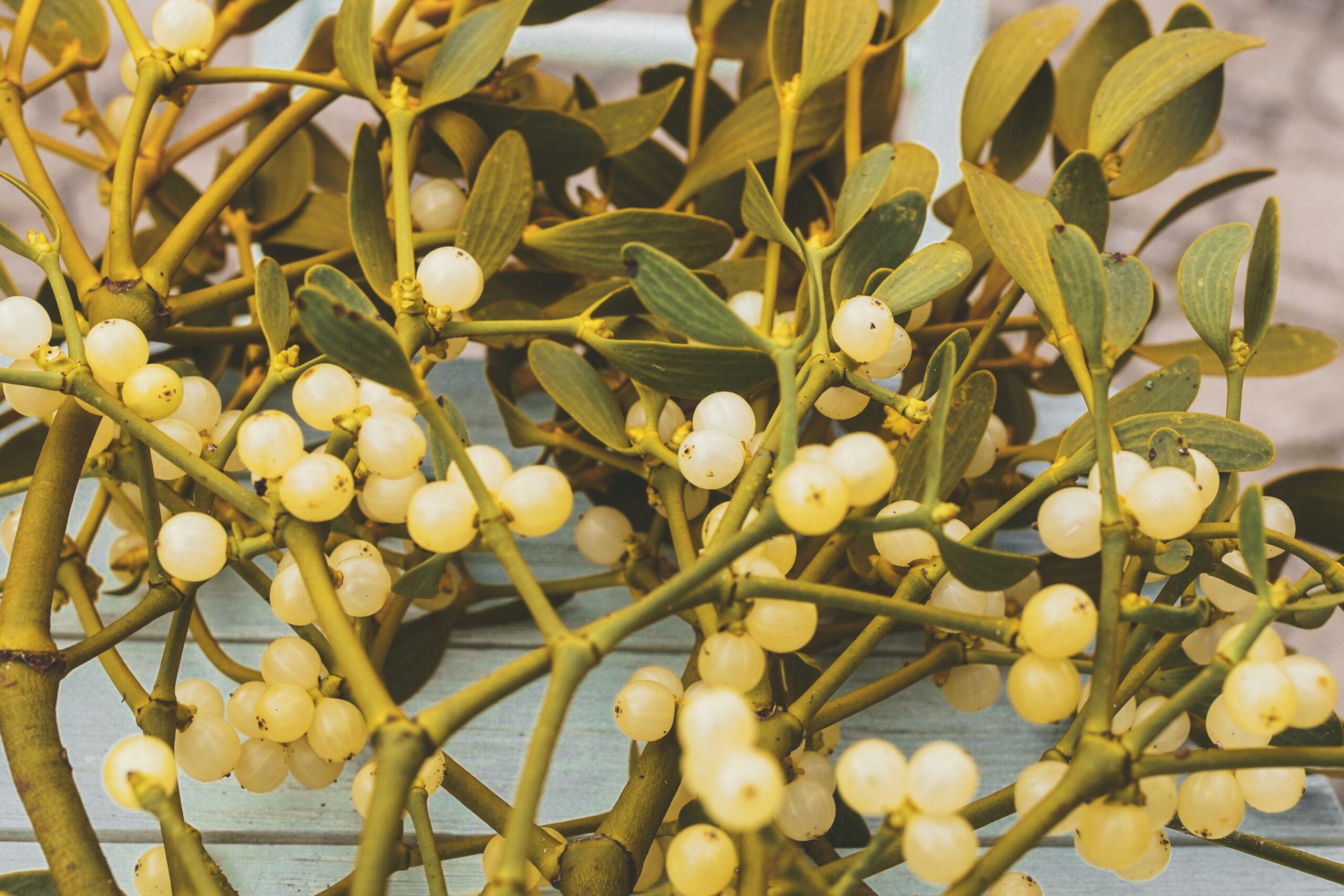








How does Mistletoe help cancer?
Several pharmacologically active compounds have been isolated from mistletoe: lectins (cause apoptosis or death of the cancer cells), viscotoxins (induce necrotic cell death), oligo- and polysaccharides, lipophilic extracts and various others. Currently triterpenes are gaining great interest. The most prominent properties are their cytotoxic (killing the cancer cell) and growth-inhibiting effects, in vitro, on a variety of human tumor cell lines, lymphocytes and fibroblasts . The cytotoxic effects are mainly due to the apoptosis-inducing mistletoe lectins (20-22), while the viscotoxins induce necrotic cell death (21, 23). They are also recognized for their immune-modulating activity: in vitro and in vivo studies have demonstrated activation of monocytes/macrophages, granulocytes, natural killer (NK) cells, NK-cell mediated tumor cell lysis, T-cells (especially T-helper-cells) and the induction of various cytokines (6, 7, 24). It also downregulates tumor genes, reduce motility and invasiveness of tumor cells, and show antiangiogenetic effects (stops growth of new blood vessels at tumor site). They also possess DNA stabilizing properties, reduce chromosome damage and improve DNA repair.